Why Does My PDF Show a Future Creation Date?
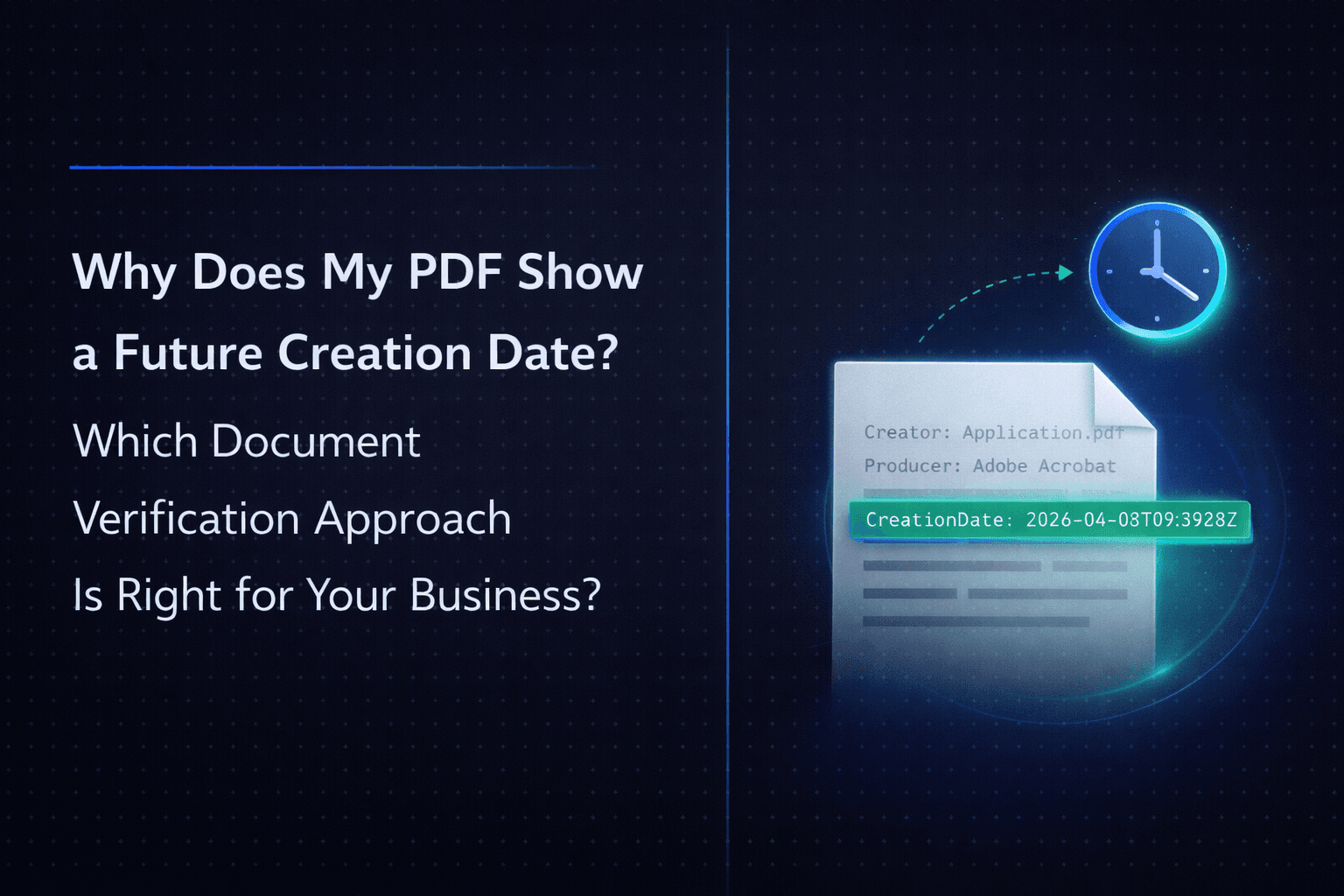
A PDF creation date that appears after the check date is usually clock drift, not fraud. Learn when it is harmless, when to investigate, and how to interpret the difference.
Expert guides on PDF security, document fraud prevention, and practical tips for verifying PDF authenticity. Learn how professionals detect modified invoices, contracts, and certificates — and how to protect your organization from document tampering.
A PDF creation date that appears after the check date is usually clock drift, not fraud. Learn when it is harmless, when to investigate, and how to interpret the difference.
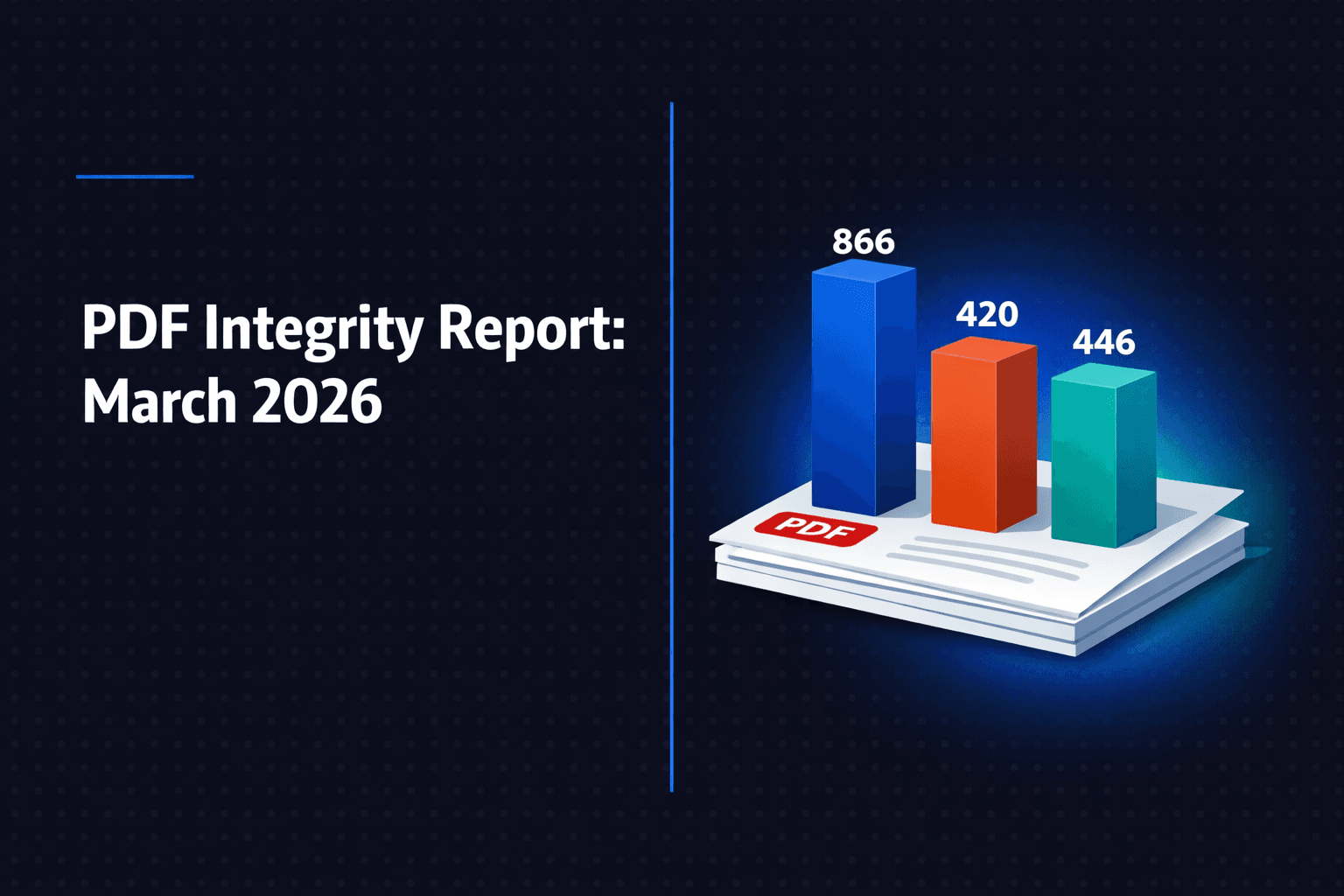
866 PDFs checked through the HTPBE web interface in March 2026 — more than double February. 48.5% flagged as modified. New detection techniques caught scan-replace forgeries, anti-forensic rasterization, and template assembly in the wild. Full data breakdown.
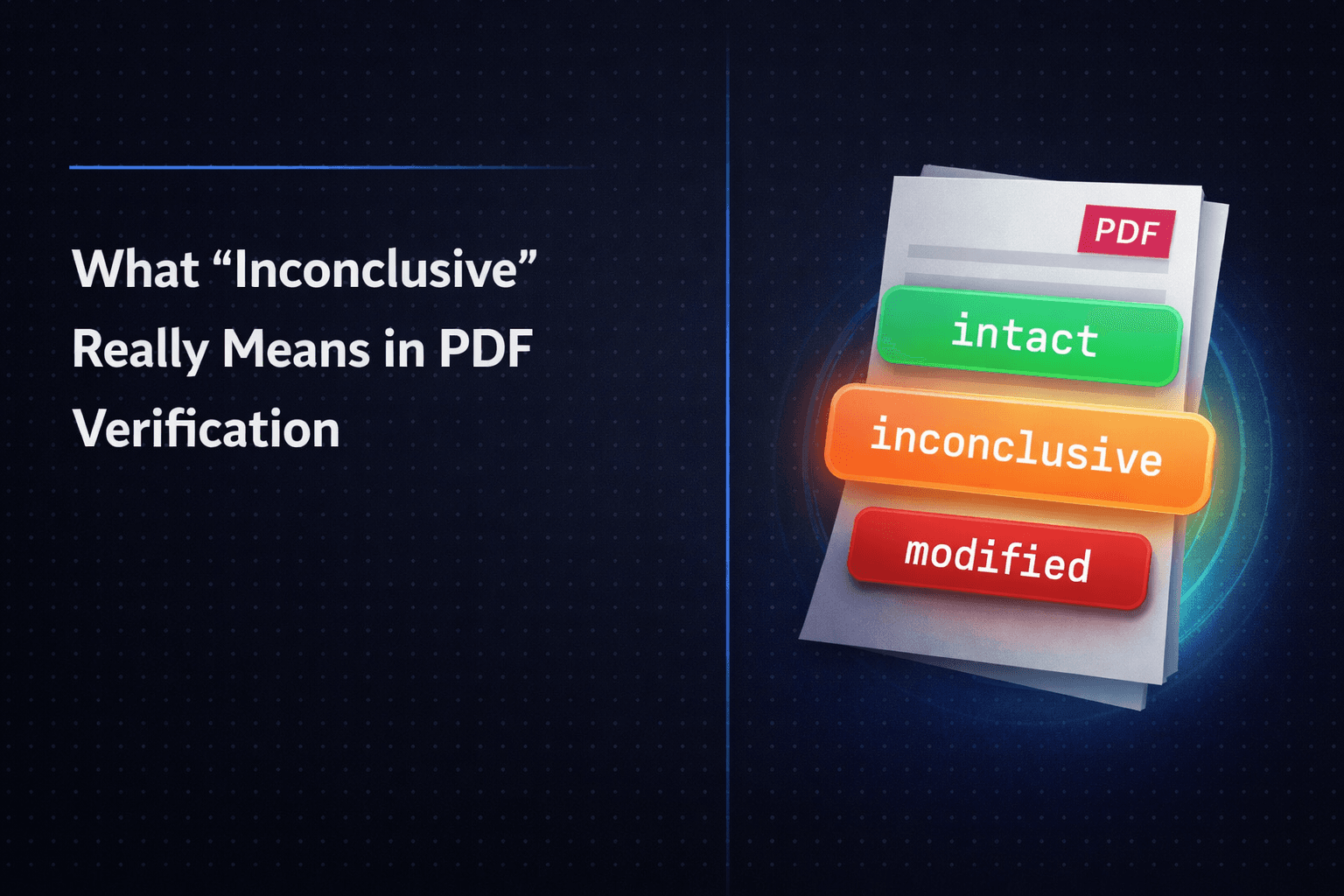
Getting an “inconclusive” result from HTPBE isn’t a failure — it’s actionable intelligence. This guide explains all three verdicts and how to turn every result into a clear decision.

KYC platforms verify that a document looks legitimate. They don’t check if that specific PDF file was modified in Excel before submission. This gap costs lenders billions.

Red flags, technical checks, and business verification steps to detect fake invoice PDFs before they cost you money. Practical guide with real warning signs.

418 PDFs checked through the HTPBE web interface in February 2026: 40.4% were flagged as modified, 1-in-3 signed documents had post-signature edits. Full data breakdown with detection patterns.

7-step checklist to verify invoice PDFs before payment. Check metadata, compare bank details, validate signatures, and prevent payment fraud.

Why automated PDF verification is essential for business. Prevent document fraud, reduce losses, and integrate verification into your workflow.

Digital signatures vs metadata for PDF verification. Which method is stronger, their limitations, and when to use both for comprehensive document authenticity.

Suspect your PDF was edited or tampered with? Check in 5 proven ways: metadata analysis, signature verification, visual inspection & free automated tools.

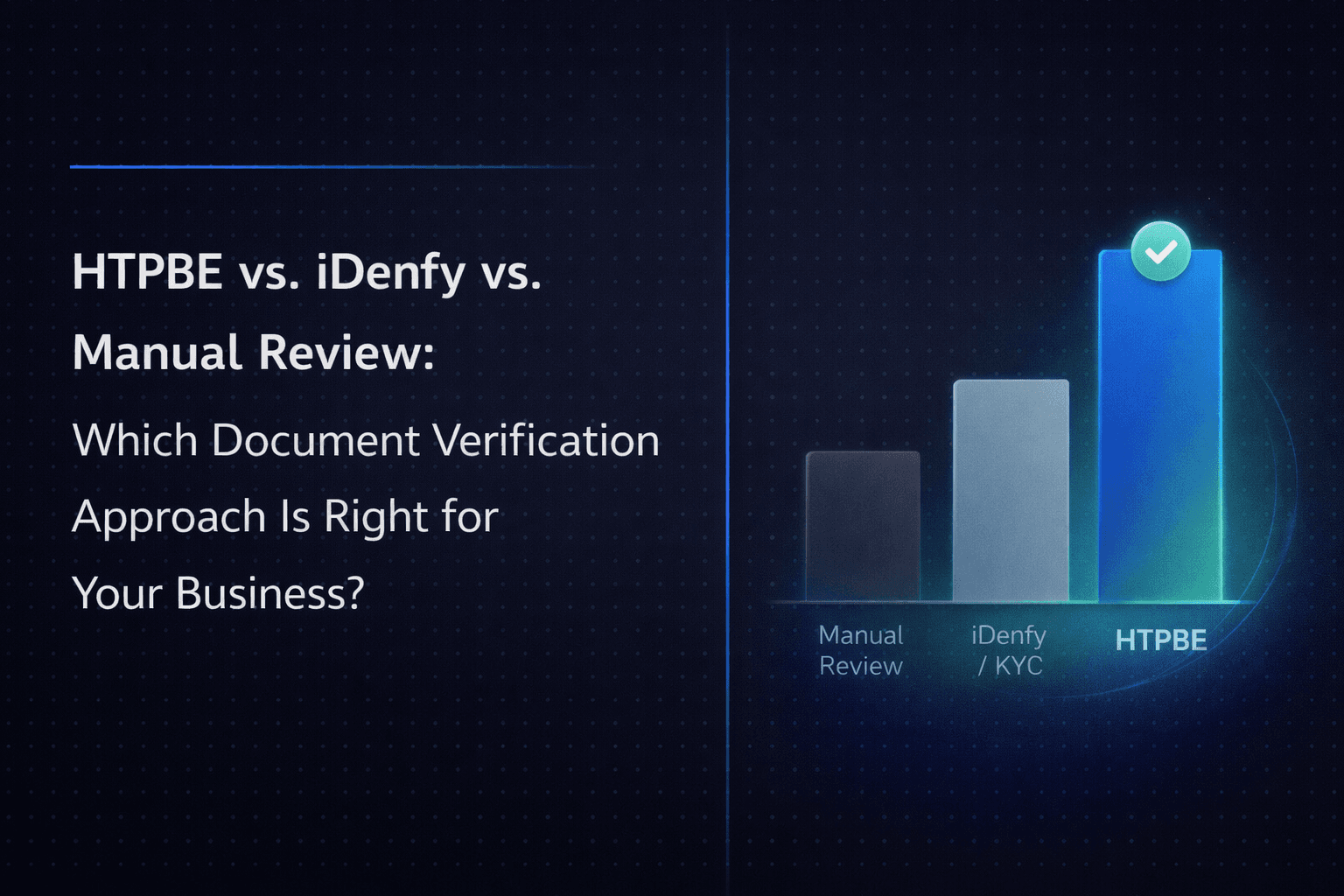
A practical comparison of three approaches to document verification: HTPBE PDF analysis ($0.43/check), iDenfy/KYC platforms ($0.50–$1.50/check), and manual review ($50–$150/document). Including TCO calculations and a use-case decision matrix.

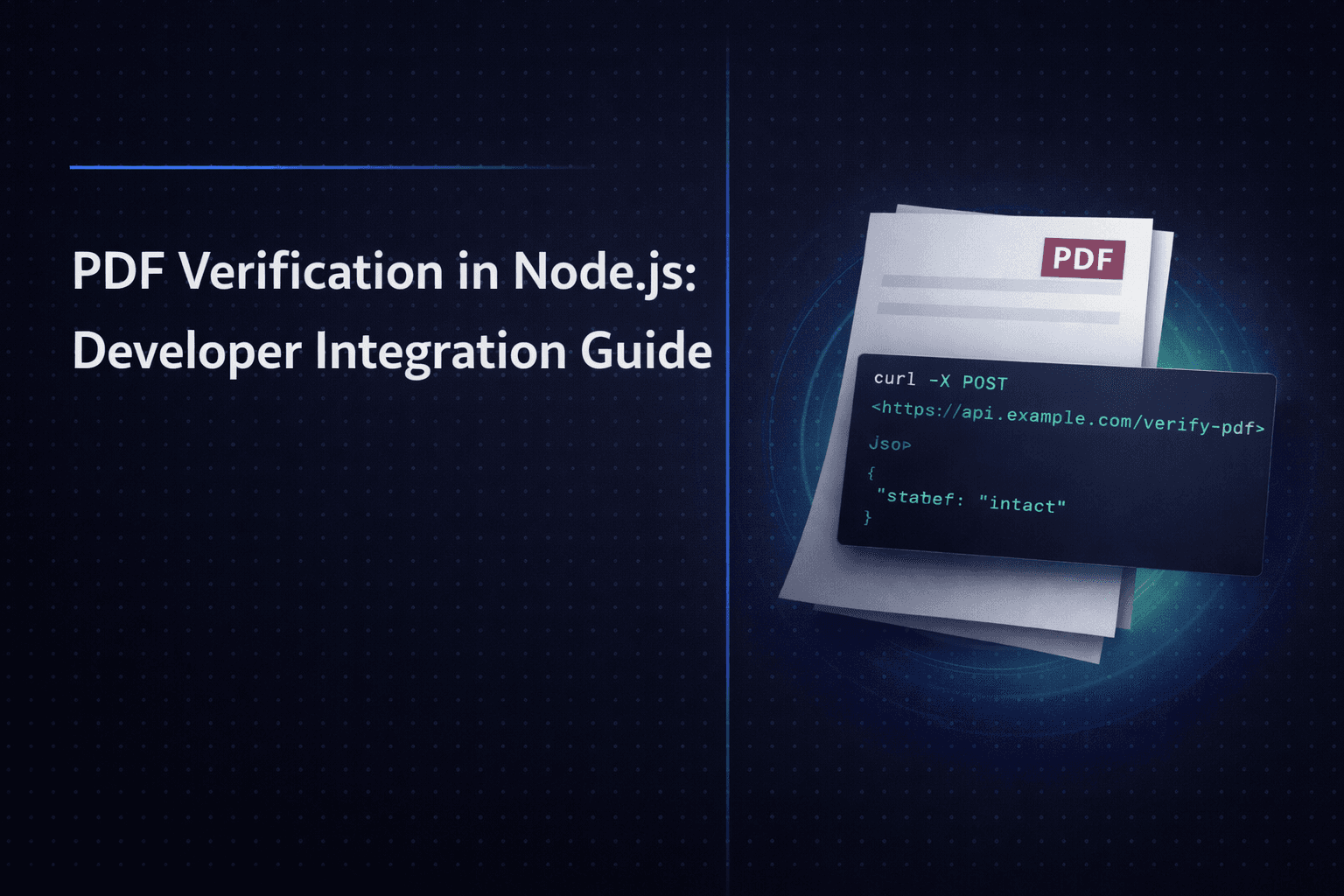
A practical guide to integrating HTPBE PDF verification into a Node.js application — from first API call to production-ready TypeScript wrapper with error handling and retry logic.

A data-driven overview of document fraud losses in 2026: by industry, by method, and by technology. With statistics from FBI, Deloitte, Inscribe, and industry research.

Gartner predicts 1 in 4 candidate profiles will be fake by 2028. We show how HR teams can detect forged diplomas in 2 seconds using PDF metadata analysis—and integrate it into any ATS workflow.

AI has made visual document forgery cheap and convincing. We explain what PDF metadata analysis can detect—and where its honest limits are.

A technical deep-dive into how automated tools detect whether a PDF has been modified: incremental saves, metadata forensics, xref table analysis, and the real limitations of the approach.

How to professionally report a modified PDF to the sender. Email templates, dispute process, and best practices for handling document verification issues.

Real estate PDF fraud: how criminals modify deeds, wire instructions, and contracts. Prevention strategies to protect your property transactions.

Five warning signs of PDF tampering: mismatched dates, suspicious metadata, visual issues, invalid signatures, and revision layers. Spot document fraud.

Today we announce HTPBE Quantum — our breakthrough product that verifies PDF authenticity up to 72 hours before the document is created. Using quantum metadata entanglement and pre-emptive xref analysis.

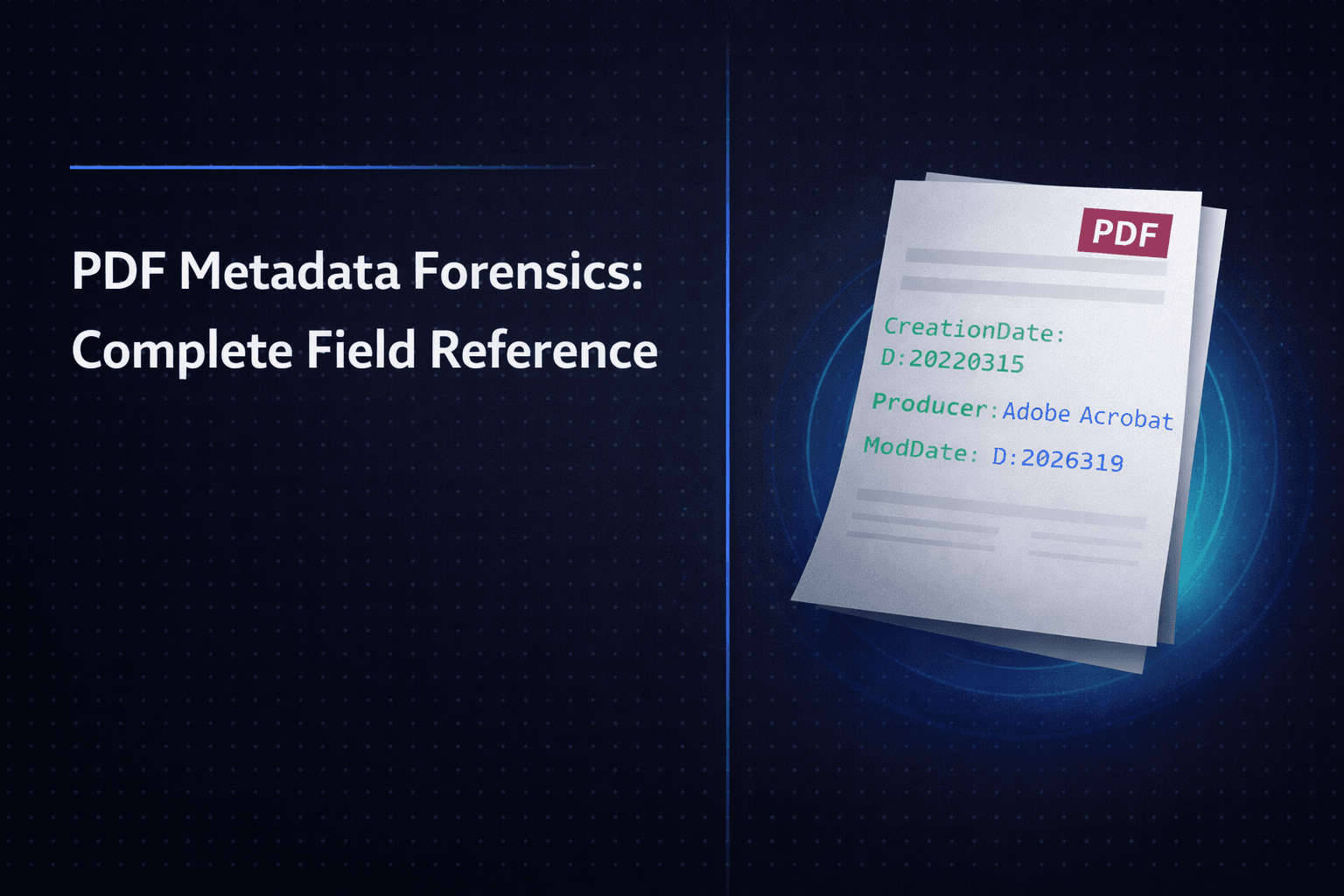
What every PDF metadata field means for document authenticity: CreationDate, ModDate, Creator, Producer, XRef tables, and more. With examples of what suspicious values look like.

10 proven best practices to protect your business from PDF document fraud. Technical and procedural controls to reduce risk from fake invoices, contracts, and certificates.

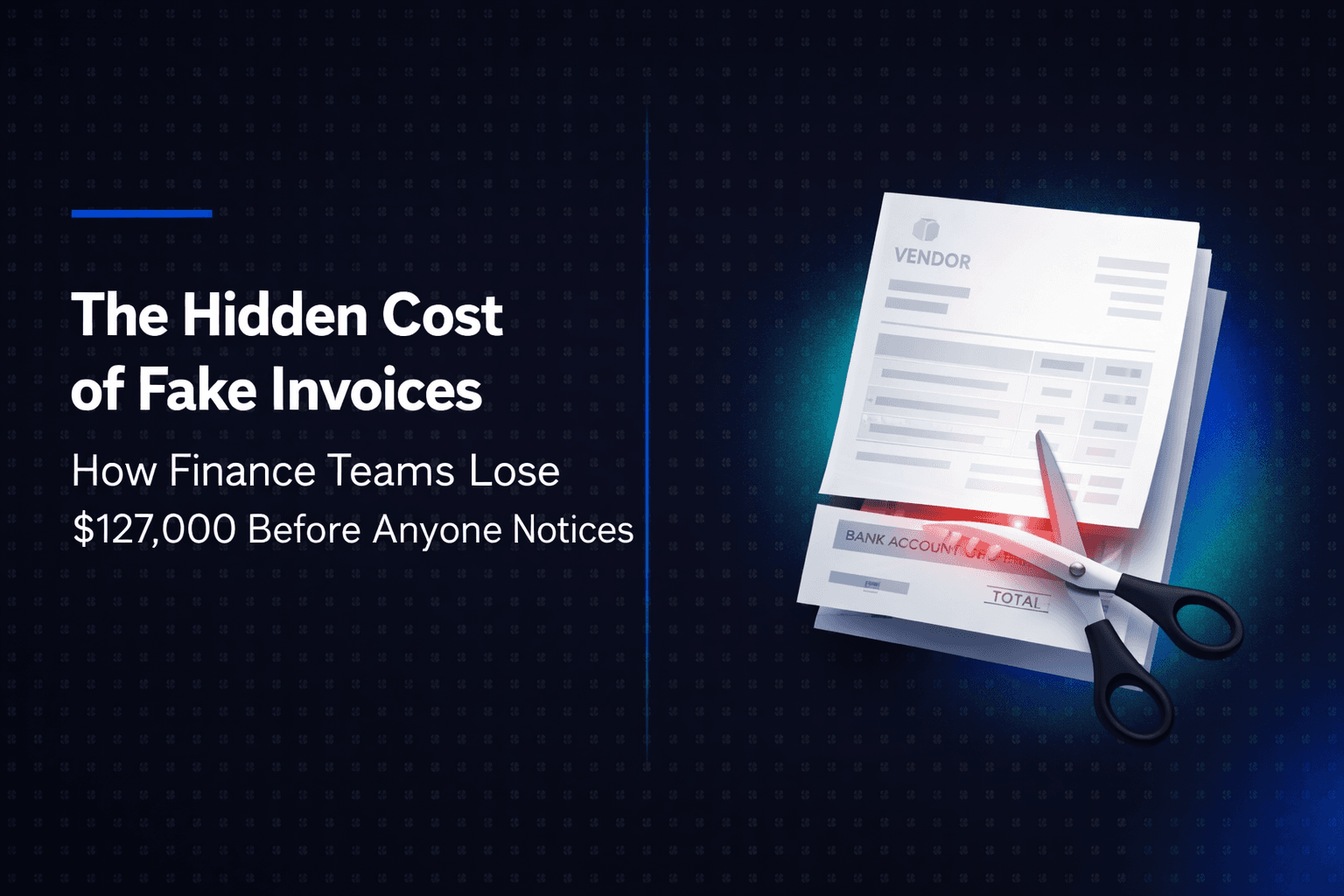
FBI data shows the average BEC invoice fraud loss is $127,000. We break down how attackers modify invoice PDFs, why accounts payable teams miss it, and how to close the gap for $0.43 per check.

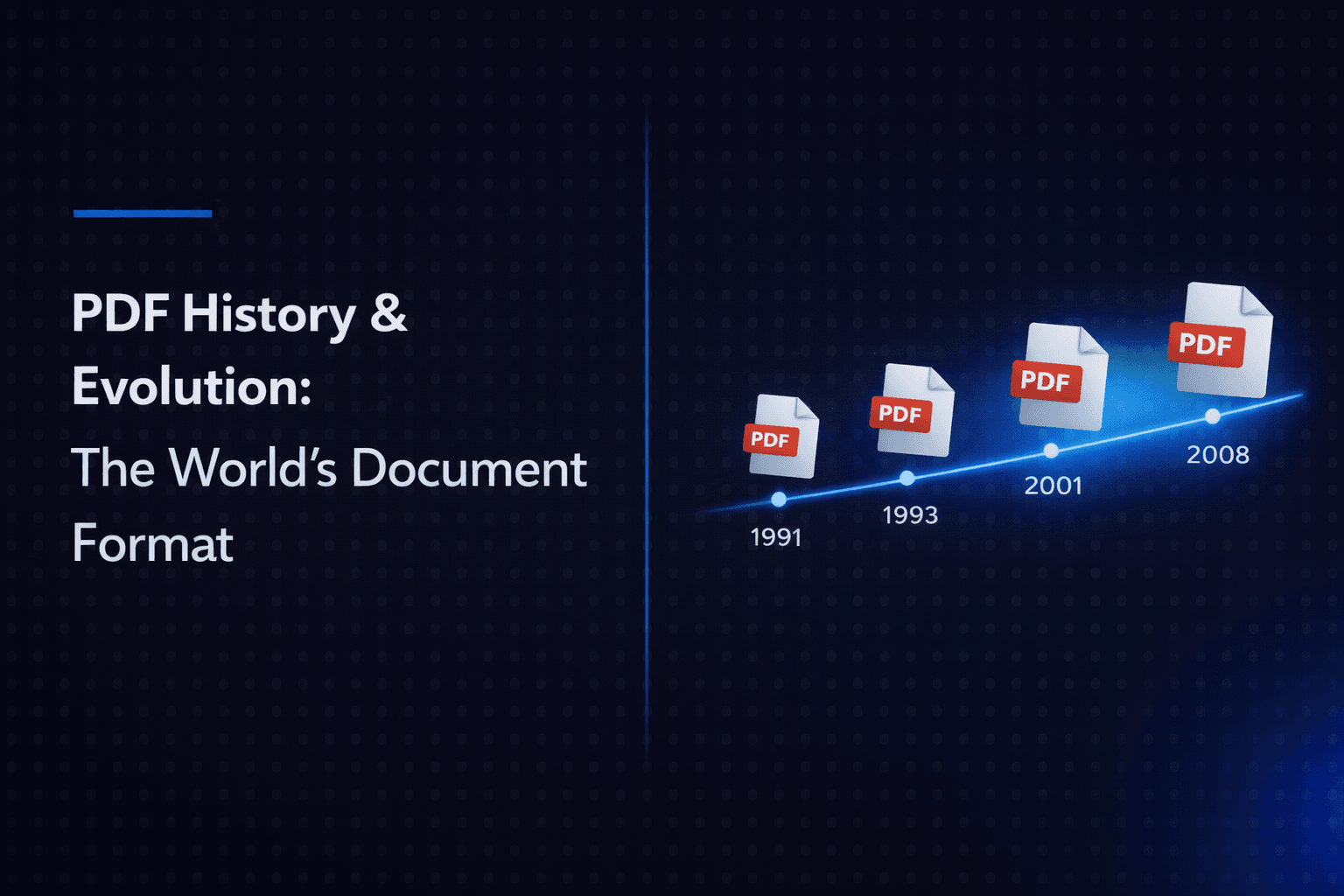
The complete history of PDF: from Adobe's 1993 invention to today's ISO standard. Learn how PDF became the universal document format and why it matters.

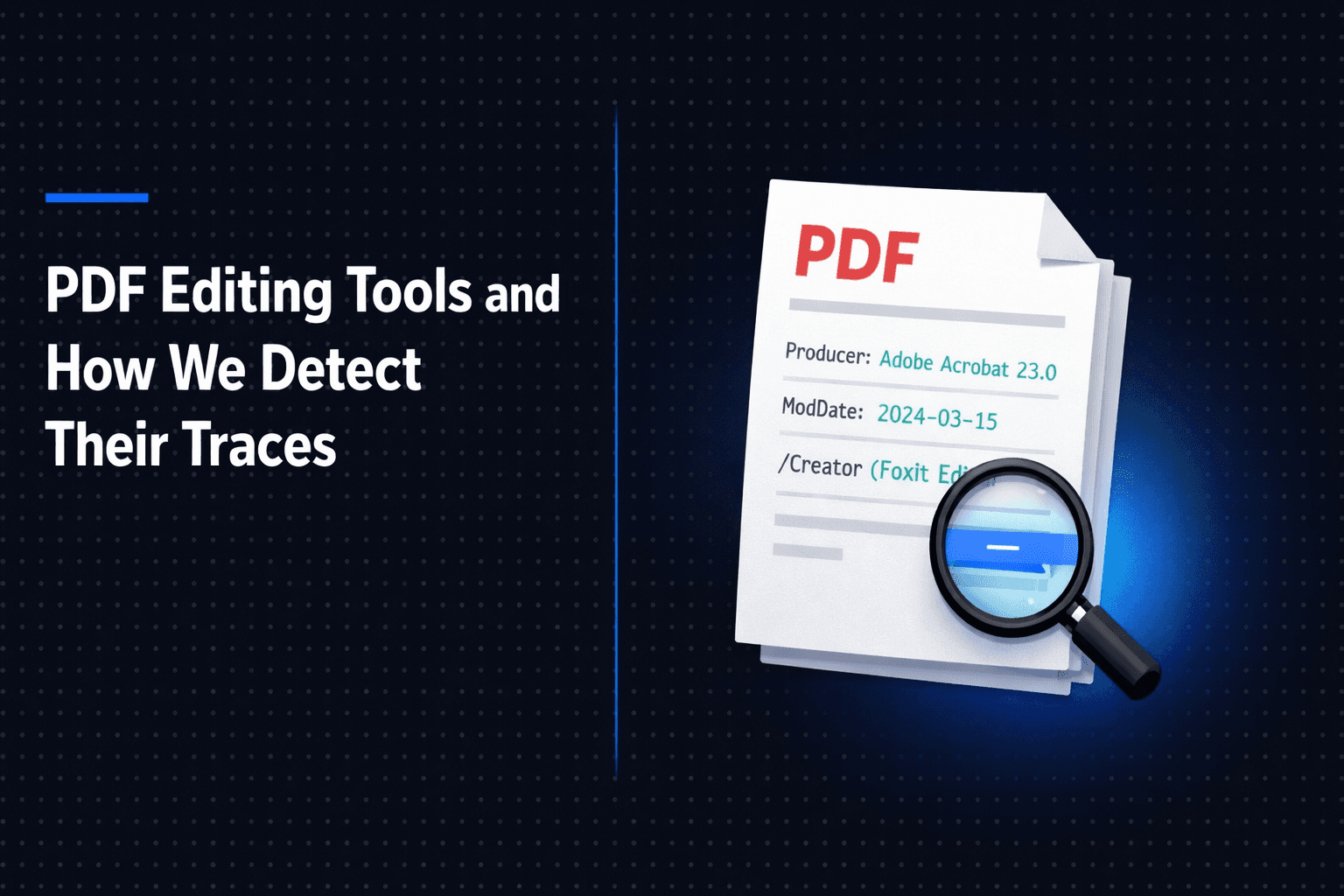
PDF editing tools leave fingerprints in metadata and file structure. How forensic analysis detects Adobe, Foxit, and online editors.

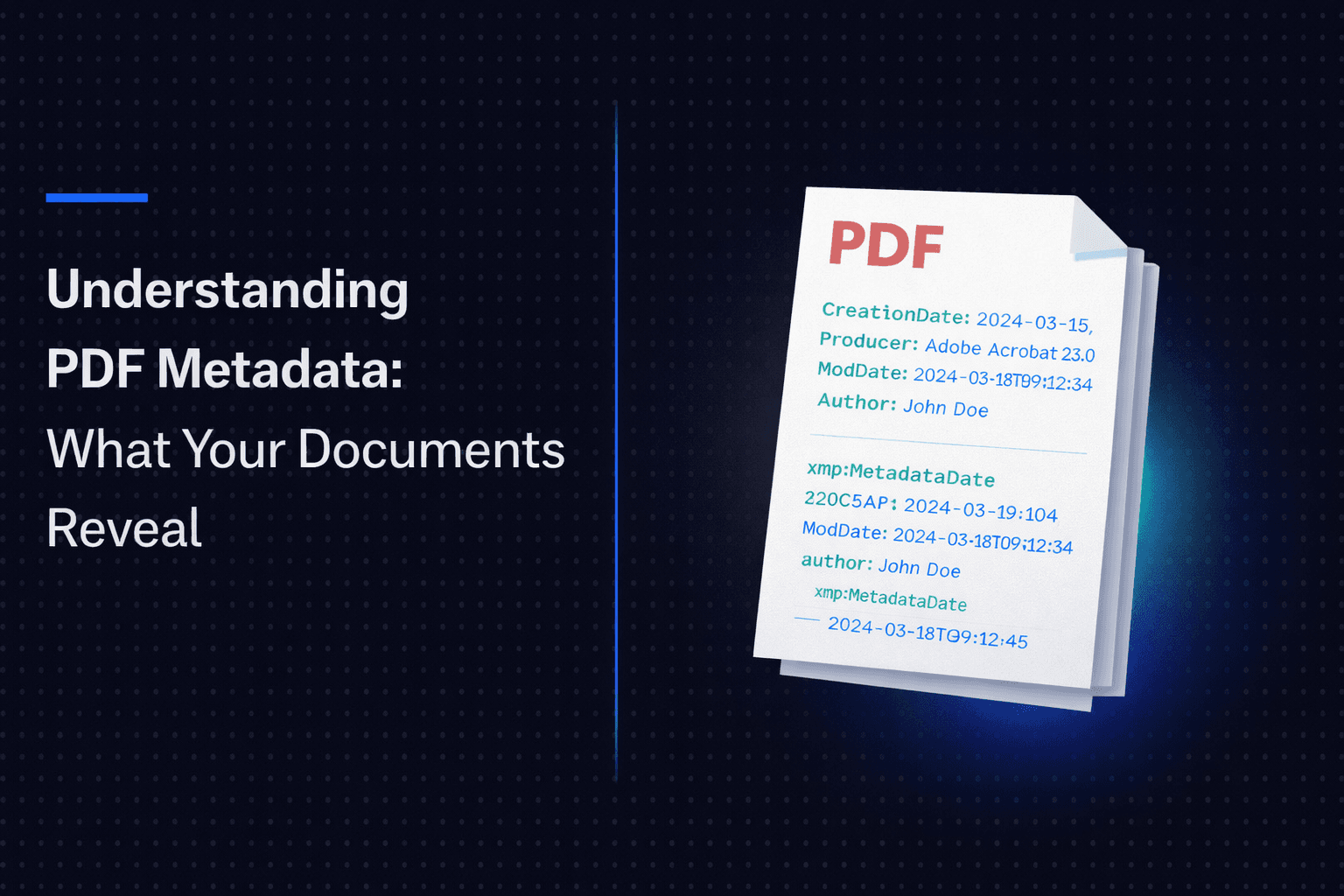
PDF metadata explained: creation dates, applications used, modification history. How to view it, privacy concerns, and use in document verification.

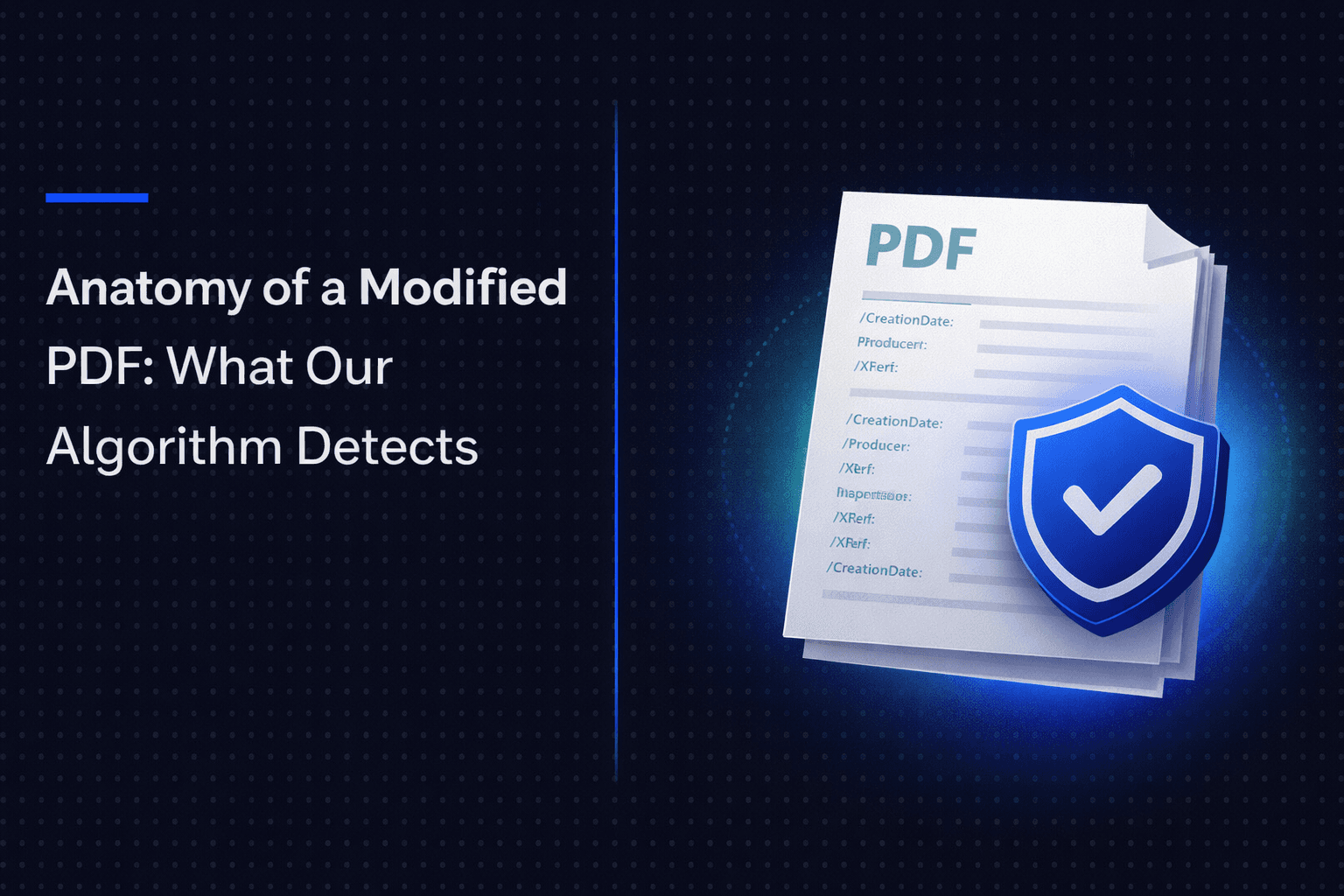
How PDF modification detection works: metadata analysis, signature verification, cross-reference tables, and tool fingerprinting. Technical deep-dive.

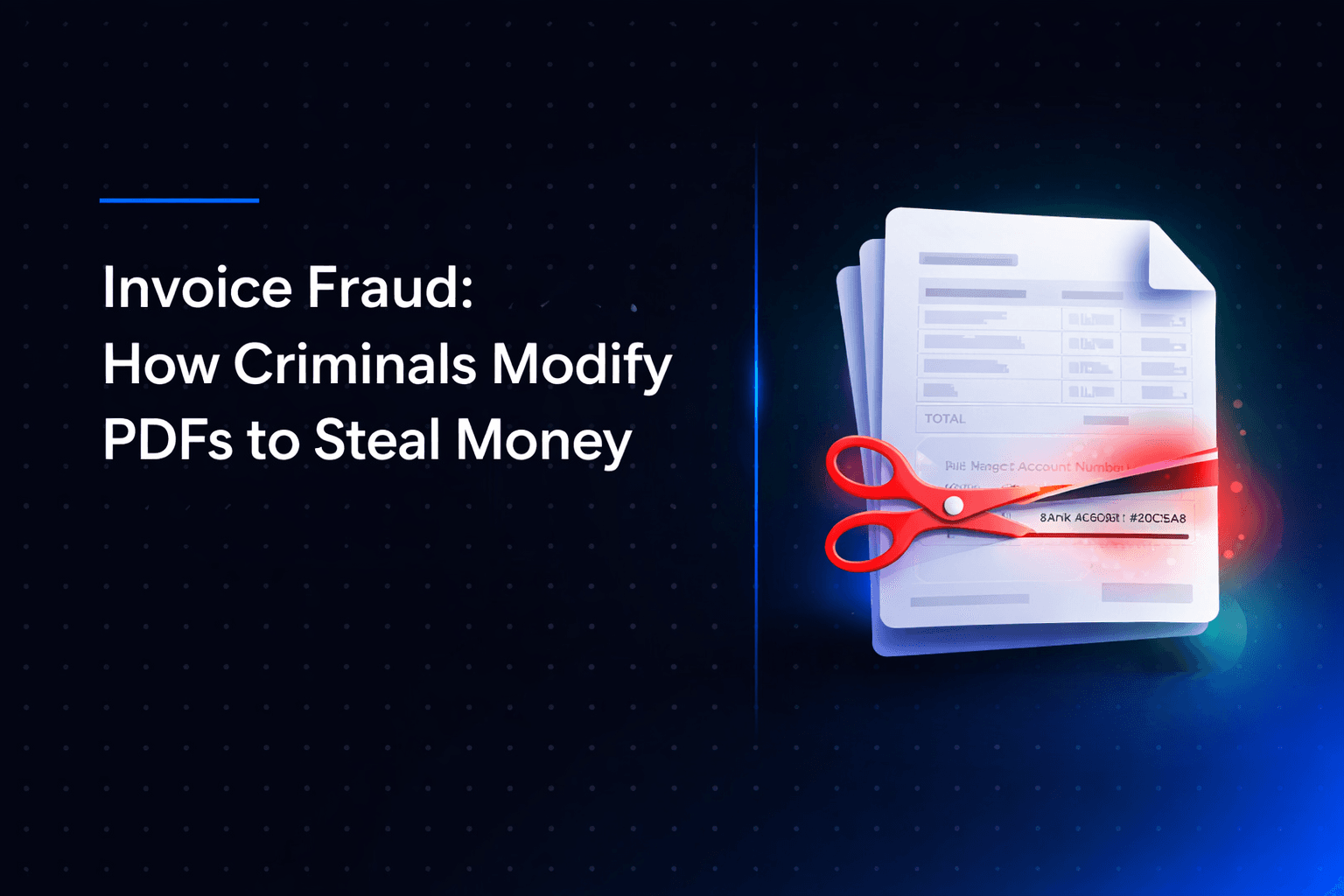
How criminals intercept invoices, modify PDF bank details, and redirect payments. Real-world examples and prevention strategies to protect your business.
Our free tool analyzes PDFs to detect modifications.
No registration required. Instant results.